
Reviews
Description
Atmosphere and Setting
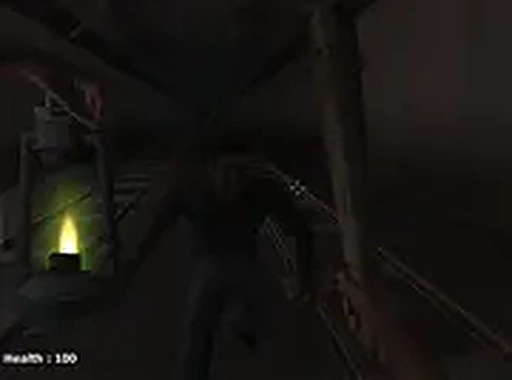
The game places you inside a sprawling, abandoned transit network. Flickering lights cast long shadows across tiled walls and rusted tracks. The environment is designed to feel isolated and quiet, with ambient sounds like dripping water and distant echoes building a sense of place. This setting is not just for show; it directly influences how you search for objects and navigate between areas.
Core Puzzle Mechanics
Progress depends on your ability to observe and interact with the surroundings. You will find locked doors, broken machinery, and coded panels. Each obstacle requires a specific item or a sequence of actions to overcome. For example, a jammed gate might need a crowbar, while a darkened corridor may require you to restore power by flipping switches in the correct order. The puzzles rely on logic and careful inventory management rather than quick reflexes.
Item Collection and Use
Throughout the tunnels, you can pick up various objects such as keys, tools, and notes. These items are stored in an inventory and must be used at the right moment. Some items have multiple uses, and combining them may be necessary to solve more complex challenges. Notes and signs provide hints about what to do next, rewarding players who take time to read everything.
Encountering Hazards
Occasionally, shadowy figures appear in the tunnels. These encounters are not combat-based; instead, you must use items to distract them or find a hiding spot until they pass. The game uses sound cues and visual warnings to alert you when a figure is near. This adds tension without relying on graphic content, making it suitable for a wide audience.
Controls and Accessibility
The game is designed for desktop computers. You move your character using the arrow keys or WASD, and interact with objects by clicking on them. The interface is clean and minimal, with an inventory bar at the bottom of the screen. A full-screen mode is available to increase immersion. The controls are simple enough for new players to pick up quickly, while the puzzles offer enough depth to engage experienced adventurers.
Progression and Replayability
The game is structured as a linear series of areas, each with its own set of puzzles and items. There is no time limit, so you can explore at your own pace. Some puzzles have multiple solutions, and the order in which you collect items can affect your path. This design encourages thorough exploration and careful thinking. Completing the game unlocks a sense of accomplishment, and the atmospheric setting invites replay to catch details you might have missed the first time.





Player Comments
Sign in to comment
You must be logged in before posting a review or rating.
No account? Create one
No comments yet. Be the first to comment!