
Reviews
Description
Core Gameplay Loop
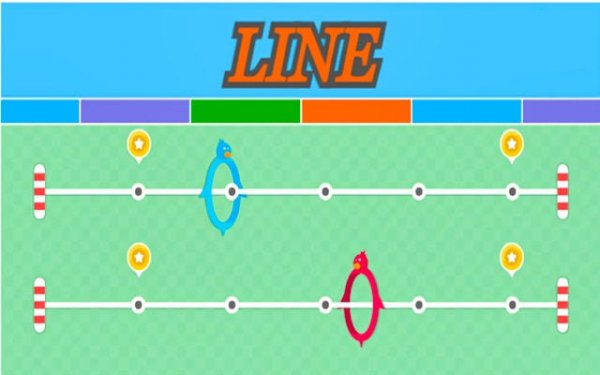
In Track Dash Precision Runner, the character moves forward without any input from the player. The only action required is to jump at the correct moment to clear obstacles that appear as white stripes on the track. Each jump must be carefully timed because holding the jump button for too long or too short can cause the character to land off the path. This creates a simple but demanding loop where every race tests the player's ability to judge distance and speed.
Competitive AI Design
An AI opponent runs alongside the player and mirrors the track layout. The AI does not make mistakes unless the player does, which means every error gives the opponent an advantage. This design keeps races tense because the player must stay focused to avoid falling behind. The AI is not unfairly fast; it simply capitalizes on any hesitation or mistimed jump. This makes each race feel like a fair challenge where the outcome depends on the player's performance.
Visual and Interface Simplicity
The game uses a clean, uncluttered visual style that keeps the focus on the action. The track is clearly marked, and obstacles stand out against the background. The user interface is minimal, with only essential information displayed during a race. This simplicity helps new players understand the game quickly without needing a tutorial. The responsive controls work equally well on touchscreens and with a mouse or keyboard.
Session Length and Replay Value
Each race is short, typically lasting less than a minute. This makes the game suitable for playing during brief breaks or while waiting. The short race length also encourages repeated attempts, as players can quickly restart after a loss. The AI opponent provides consistent opposition, so improving personal performance becomes the main motivation. Over time, players can develop a sense of rhythm and timing that makes races feel smoother.
Skill Development Curve
New players may find the timing challenging at first, but the game rewards practice. The key skill is learning to hold the jump input for the right duration to clear each stripe without overshooting. As players improve, they begin to anticipate the pattern of obstacles and react more instinctively. The game does not punish failure harshly; instead, it offers immediate feedback and a chance to try again. This gradual learning curve keeps the experience engaging without becoming frustrating.






Player Comments
Sign in to comment
You must be logged in before posting a review or rating.
No account? Create one
No comments yet. Be the first to comment!