Pet Slide Puzzle
Reviews
Pets Slide Puzzle Game provides a relaxing puzzle experience with high-quality images of cute animals. The sliding mechanics are fluid, and the hint system reduces frustration. Each puzzle takes a few minutes to solve, making it perfect for short breaks. The variety of pet scenes adds replay value, and the lack of timers keeps the mood calm. It is a well-designed game for families and anyone who enjoys gentle brain teasers.
About this game
Game Introduction
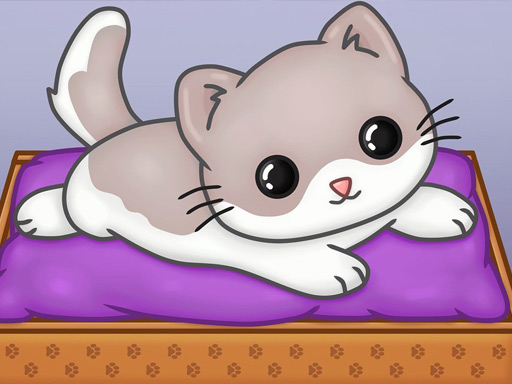
Pets Slide Puzzle Game is a relaxing puzzle experience centered on cute pet images. The core objective is to rearrange scattered tile pieces into their correct order to reveal a complete picture of cats, dogs, and other animals. What makes this game unique is its calming, no-pressure approach—there are no timers or scores, allowing players to focus on the satisfying process of restoring the image piece by piece.
How to Play
Players are presented with a grid of shuffled puzzle pieces, with one empty slot that allows adjacent tiles to slide into it. The goal is to move tiles one at a time until the entire picture matches the intended scene. By tapping or clicking on a tile next to the empty space, it slides into that spot. Players typically work from one corner or section, gradually assembling the image. A hint button is available to view the completed picture as a reference, and mistakes are not penalized, encouraging free experimentation.
Game Features
Features include cute pet themes with multiple images of cats, dogs, and other animals. The sliding mechanics are smooth and responsive, suitable for touchscreens and mouse input. A helpful hint system displays the final picture at any time. The gameplay is relaxing with no timers or scores, making it suitable for all ages and skill levels. Controls are simple and intuitive, and the game works on both mobile and desktop devices.
Tips for Success
Start by solving the edges or corners of the puzzle first, as these provide a frame of reference. Use the hint button early to memorize the target image, which helps plan moves. Work systematically from one area to another rather than randomly. Take your time—there is no rush, so moving slowly reduces mistakes. If stuck, step back and reassess the board; sometimes a fresh look reveals the next logical move.